Language

Moner Kaj

Stories of Skill, Recovery

and Dignity.

Every person is more than a diagnosis. These stories show what becomes possible when timely care, respect and fair work come together.

Munni

Story 01

Munni

A First Opportunity, A Future of Her Own

After years of severe mental health difficulties and rejection from potential employers, Munni received her first employment opportunity through Moner Kaj. Today, paid work is helping her rebuild choice, confidence and independence.

At 20, Munni has already spent seven years navigating mental health difficulties that others around her struggled to understand. She became intensely suspicious of people, heard voices that others could not hear, talked and laughed to herself and, at times, left home unexpectedly or reacted aggressively.

Her family was frightened and searching for an explanation. They initially understood her distress through a spiritual lens and took her to religious and traditional healers. When these efforts did not improve her condition, Munni was supported to reach a hospital for the first time. With appropriate treatment, she made significant progress in her recovery.

Yet as one barrier began to lift, another became visible: stigma. When potential employers learned about her mental health history, they were reluctant to offer her work. The judgement came before any fair assessment of what she could learn or contribute.

Moner Kaj gave Munni her first employment opportunity. The income matters, but the meaning goes beyond money. She can now contribute towards the cost of her own treatment and buy personal items, including cosmetics and other things she enjoys. These may appear to be ordinary purchases, but they represent something fundamental: choice. They allow a young woman to participate in decisions about her own life rather than remain completely dependent on others.

Munni’s journey shows that treatment can open a door, but recovery also needs opportunity. When a person is trusted, supported and judged by her contribution rather than by a mental health label, she can begin to reclaim confidence, dignity and a future shaped by her own choices.
Shahinur

Story 02

Shahinur

Rebuilding Her Life, One Stitch at a Time

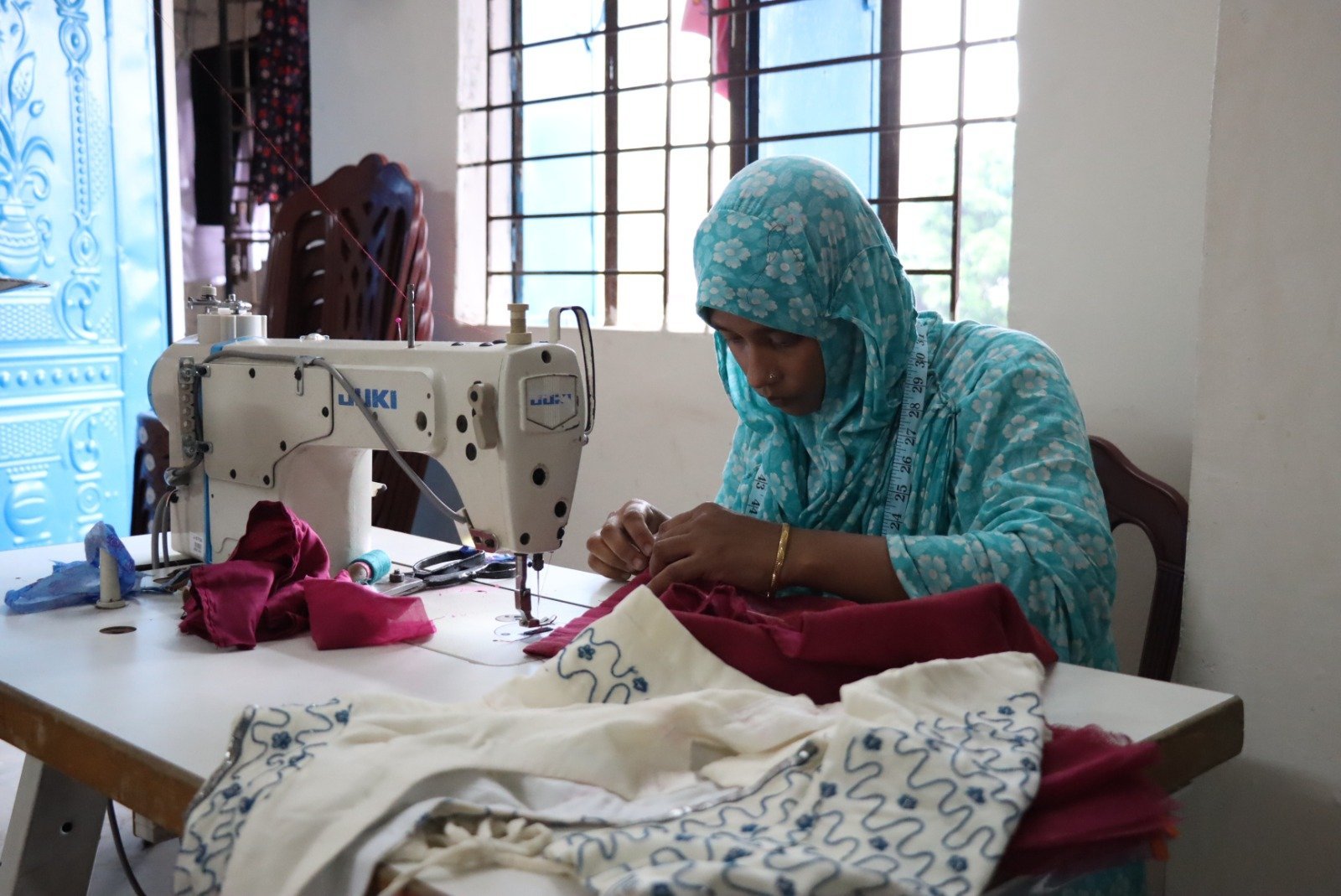
When a fire destroyed Shahinur’s home and sewing machine, it took away both shelter and a vital route to income. Mental health care and employment support through Moner Kaj are helping this tailor rebuild stability and contribute to her family again.

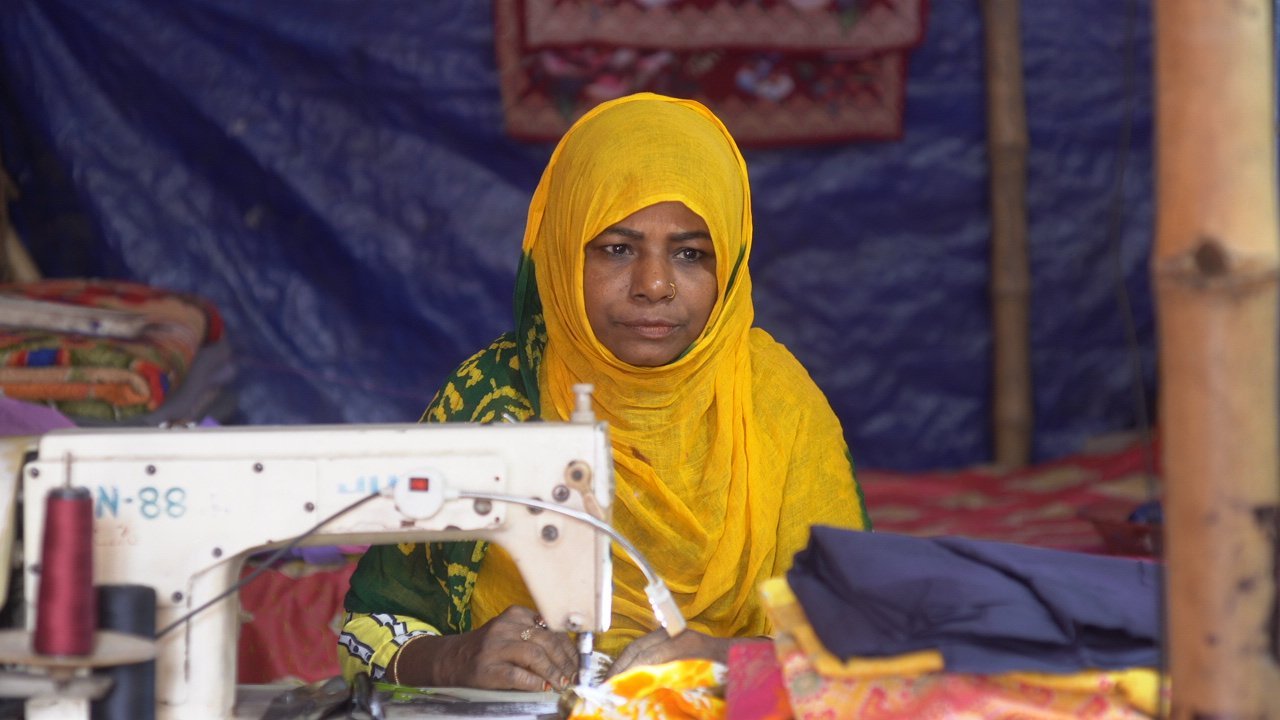
For Shahinur, tailoring is more than a way of earning. It is a practical skill through which she can create, solve problems and contribute to the people she loves. For a long time, however, a mental health condition affected many parts of her life. Persistent sadness, loss of interest, sleeplessness and severe distress made household responsibilities and relationships increasingly difficult.

Then a fire destroyed her home and sewing machine. In a matter of moments, she lost both her living space and the tool at the centre of her livelihood. The disaster deepened an already fragile situation and left her with few resources from which to begin again.

Shahinur was supported to access evidence-based mental health care. Moner Kaj then helped reconnect her with paid work. That combination mattered. Treatment supported her recovery, while employment restored routine, purpose and a practical way to use her tailoring skill.

Today, Shahinur is not being defined by the fire or by the most difficult period of her life. She is a tailor rebuilding her working identity. Every completed piece reflects knowledge, patience and precision. Every payment strengthens her ability to make decisions and contribute to family life.

Her experience shows why support cannot end at the clinic door. A person may receive treatment and still remain excluded if she has no equipment, no customers and no route back to work. Moner Kaj helps bridge that gap by recognising Shahinur’s skill and creating an opportunity to rebuild with dignity.

Yunus Sharif

Story 03

Yunus Sharif

Measured by His Skill, Not His Illness

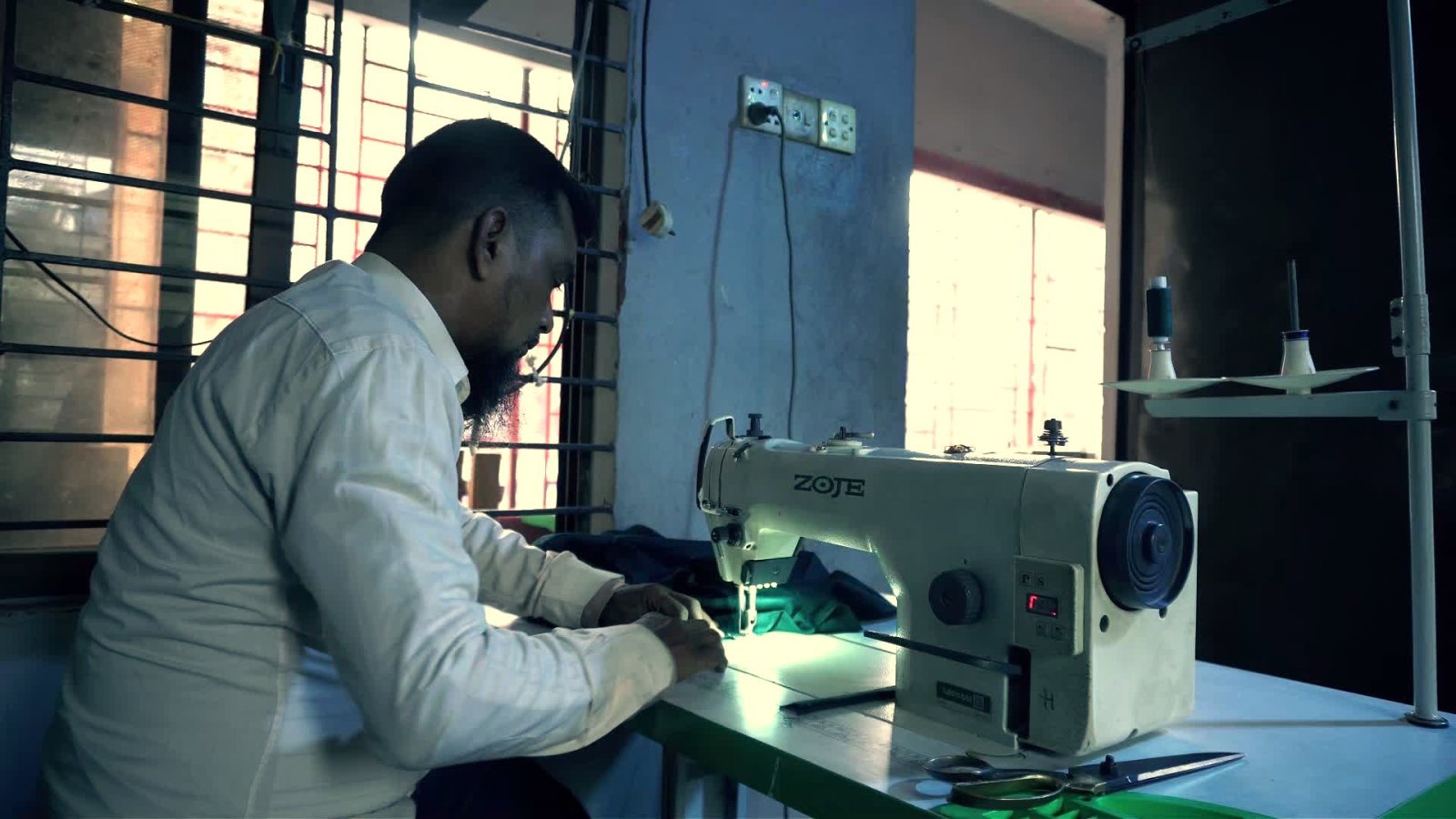
Yunus spent years developing the precision of a tailor, yet employers judged him by his mental health history rather than his ability. Moner Kaj gave him a route back to paid work, stable income and his role as a family provider.

Content note

This story mentions suicidal thoughts and suicide attempts.

Tailoring demands concentration, measurement and care. Yunus Sharif, now 56, had spent years developing those abilities. But during a prolonged mental health crisis, persistent low mood, hearing voices and almost complete loss of sleep overwhelmed his daily life. He experienced recurrent suicidal thoughts and survived two suicide attempts.

As his condition worsened, Yunus lost his job and could no longer support his family. Appropriate mental health treatment helped him recover, but treatment did not remove the stigma waiting outside the clinic. Potential employers were reluctant to hire him. Some assumed that a person with a history of mental illness would not be able to sew properly or would make mistakes with measurements.

Their doubt was not based on a fair test of his work. It was based on a label.

Moner Kaj gave Yunus the opportunity to return to tailoring. The platform recognised the skill that stigma had obscured and created a route back into paid employment. Today, he earns a stable income and again contributes financially to his family.

His story challenges a damaging assumption: mental illness does not erase knowledge, craftsmanship or the capacity to work. Recovery is not only about reducing symptoms. It also involves being welcomed back into social and economic life, having one’s contribution valued and regaining the dignity of being able to provide.

Yunus should be measured by the quality of his work — not by the most difficult chapter of his life.

Sathi

Story 04

Sathi

Bringing Livelihood and Hope Back to the Table

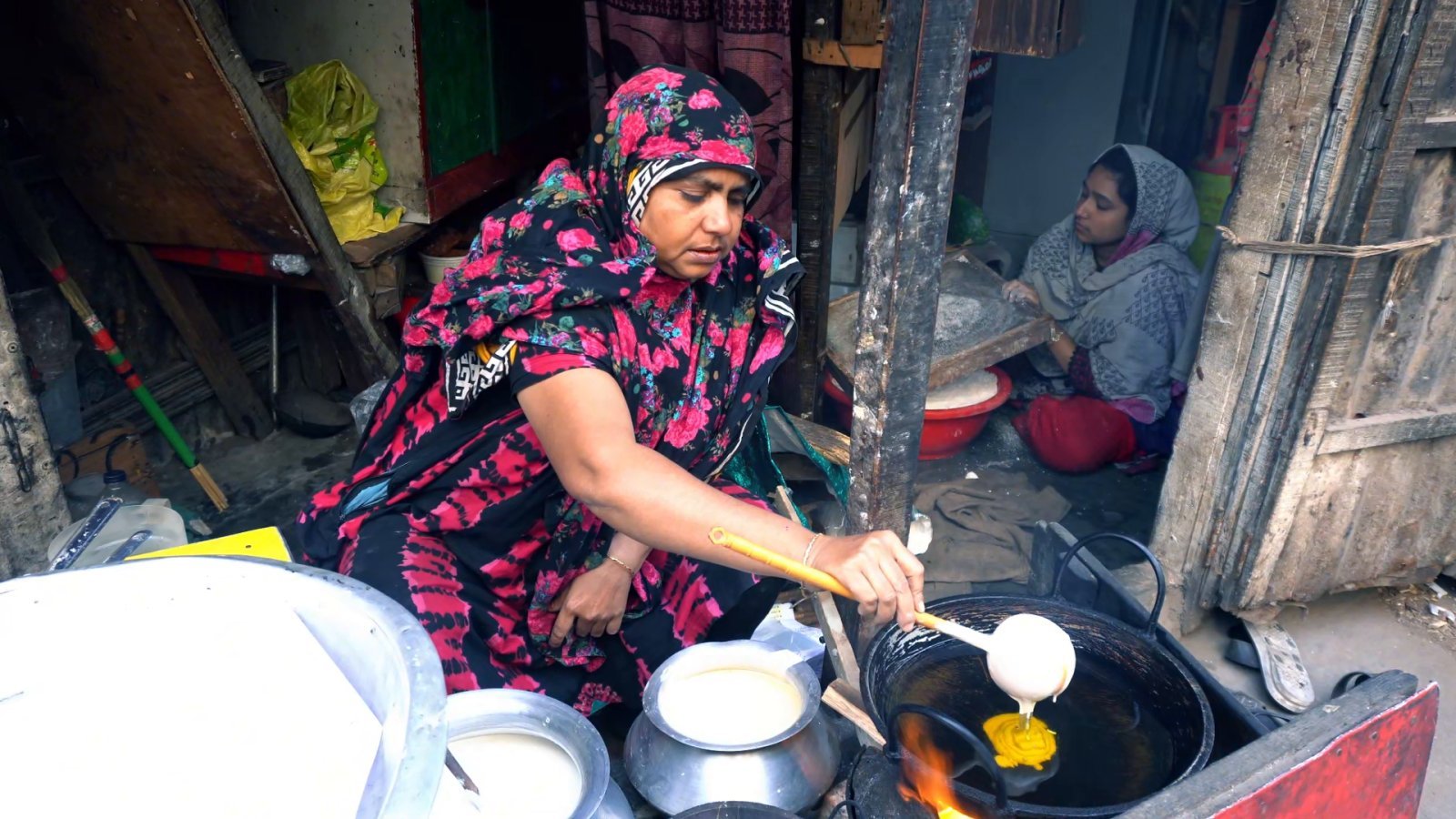
Sathi once earned through making traditional pitha. When severe mental health difficulties interrupted her work and income, treatment helped her recover. Moner Kaj then helped restore something equally important: a pathway back to meaningful paid work.

Content note

This story mentions suicidal thoughts and suicide attempts.

Before mental health difficulties disrupted the rhythm of her life, Sathi earned an income by making traditional pitha. The work carried practical value, but it also reflected knowledge, timing and a cultural skill passed through everyday life.

Over time, severe distress changed her days. She became suspicious of others, withdrew from people, felt persistently low and carried an overwhelming sense of guilt and self-blame. Recurrent suicidal thoughts led to three suicide attempts. As her condition worsened, she could no longer continue working and lost the income that had helped sustain her.

Appropriate mental health treatment helped Sathi make significant progress. But care alone could not replace the role, routine and financial agency that illness had taken away. Moner Kaj helped her secure meaningful employment and begin earning again.

Today, Sathi is rebuilding her life as a self-reliant woman who contributes to her family and society. Her story is not about returning to an idealised version of “normal.” It is about regaining choice, purpose and the right to participate.

Her earlier work with traditional pitha remains an important part of her vocational identity. Through Moner Kaj, she now has a route back into meaningful paid work and the opportunity to use her abilities again.

Sathi’s journey shows that treatment can reduce suffering, while fair work helps rebuild the practical foundations of life. Recovery becomes more meaningful when a person can once again use her abilities, earn and imagine a future.

Nishi

Story 05

Nishi

Crafting Confidence, One Piece at a Time

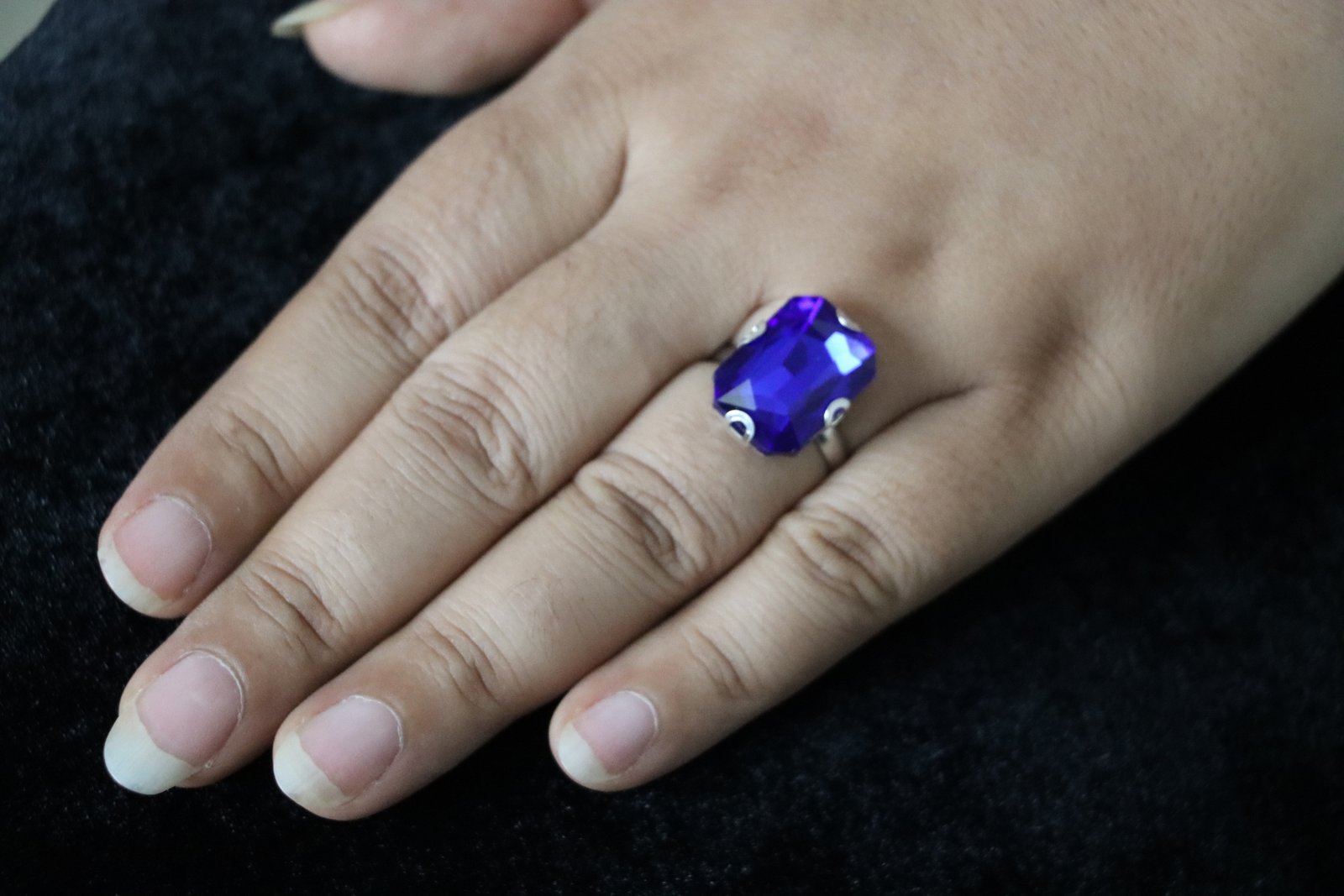
Nishi’s handmade earrings, necklaces, bangles and bracelets carry more than beauty. They reflect concentration, creativity and a growing sense of confidence that mental health difficulties once made difficult to access.

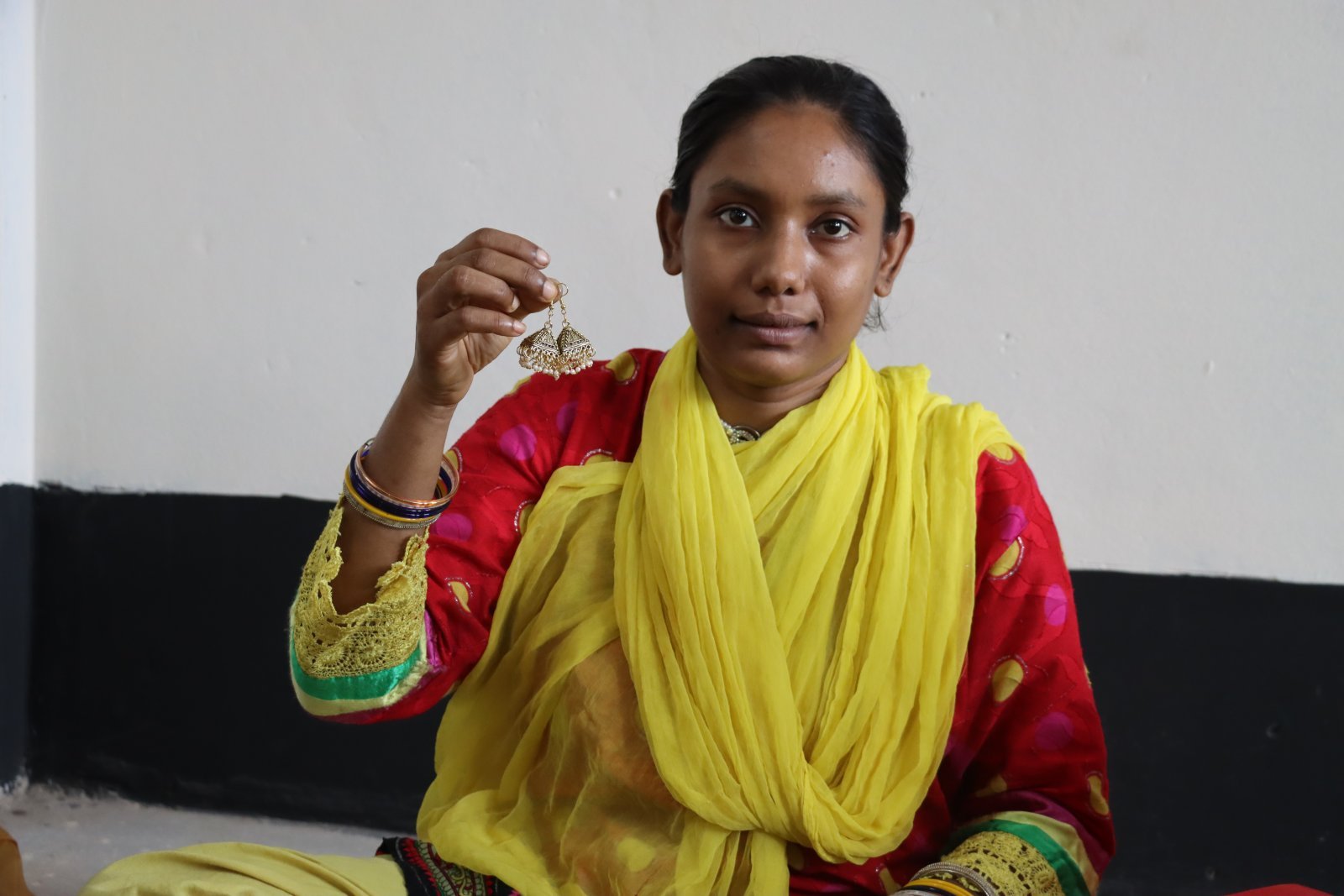
An earring, necklace or bracelet may appear small, but its creation requires attention, judgement and many deliberate choices. For Nishi, handmade jewellery has become part of a new chapter — one in which her creativity is visible again.

For years, she lived with persistent low mood, sleeplessness, hearing voices that others could not hear and difficulty concentrating on her work. She often felt worthless and guilty. These experiences affected not only how she felt, but also how she saw her own place in the world.

Nishi later received treatment at the National Institute of Mental Health in Bangladesh and made significant progress in her recovery. She then joined Moner Kaj, where she creates handmade earrings, necklaces, bangles and bracelets.

Through this work, Nishi has regained confidence and achieved greater financial independence. She is not simply producing attractive objects. She is making decisions, applying skill, completing work and seeing that work valued by others.

Her jewellery challenges the prejudice that mental health difficulties erase talent or contribution. When customers encounter Nishi’s work first, they meet a maker — someone with ideas, ability and a right to earn. Moner Kaj helps make that identity visible.

Nishi’s journey demonstrates what can become possible when timely treatment, continuing support and meaningful employment come together: not a life defined by illness, but a life in which creativity, income and dignity can grow.

Monira

Story 06

Monira

Rebuilding After the Fire

After a devastating fire destroyed Monira’s home and seriously injured her daughter, fear continued long after the flames were gone. Treatment and a work opportunity through Moner Kaj are helping her rebuild security, income and hope.

Content note

This story describes a traumatic fire and post-traumatic stress symptoms.

The fire ended, but for Monira the danger did not feel over. A few months ago, the blaze destroyed her home and seriously injured her daughter. After the incident, she struggled to sleep, repeatedly relived what had happened and became intensely distressed by fire, smoke or even the smell of something burning. She lived with a constant fear that another disaster could happen at any moment.

These post-traumatic stress symptoms affected her sense of safety and her ability to move forward. With appropriate mental health treatment, Monira made significant progress in her recovery.

Moner Kaj then offered another essential part of rebuilding: the opportunity to work and earn. Employment does not erase trauma, and it should never be presented as a substitute for care. But safe, meaningful work can restore structure, agency and a practical route towards stability after a life-changing event.

Today, Monira is a proud member of the Moner Kaj platform. Through paid work, she is rebuilding not only income, but also confidence in her ability to shape what comes next.

Her journey shows that survivors of trauma can move forward when timely mental health care is joined with social acceptance and real economic opportunity. The fire is part of Monira’s story, but it is not the whole story. Her present work, choices and hopes deserve to remain at the centre.

Raju’s Mother

Story 07

Raju’s Mother

A Kantha Artisan Creating Room for Care

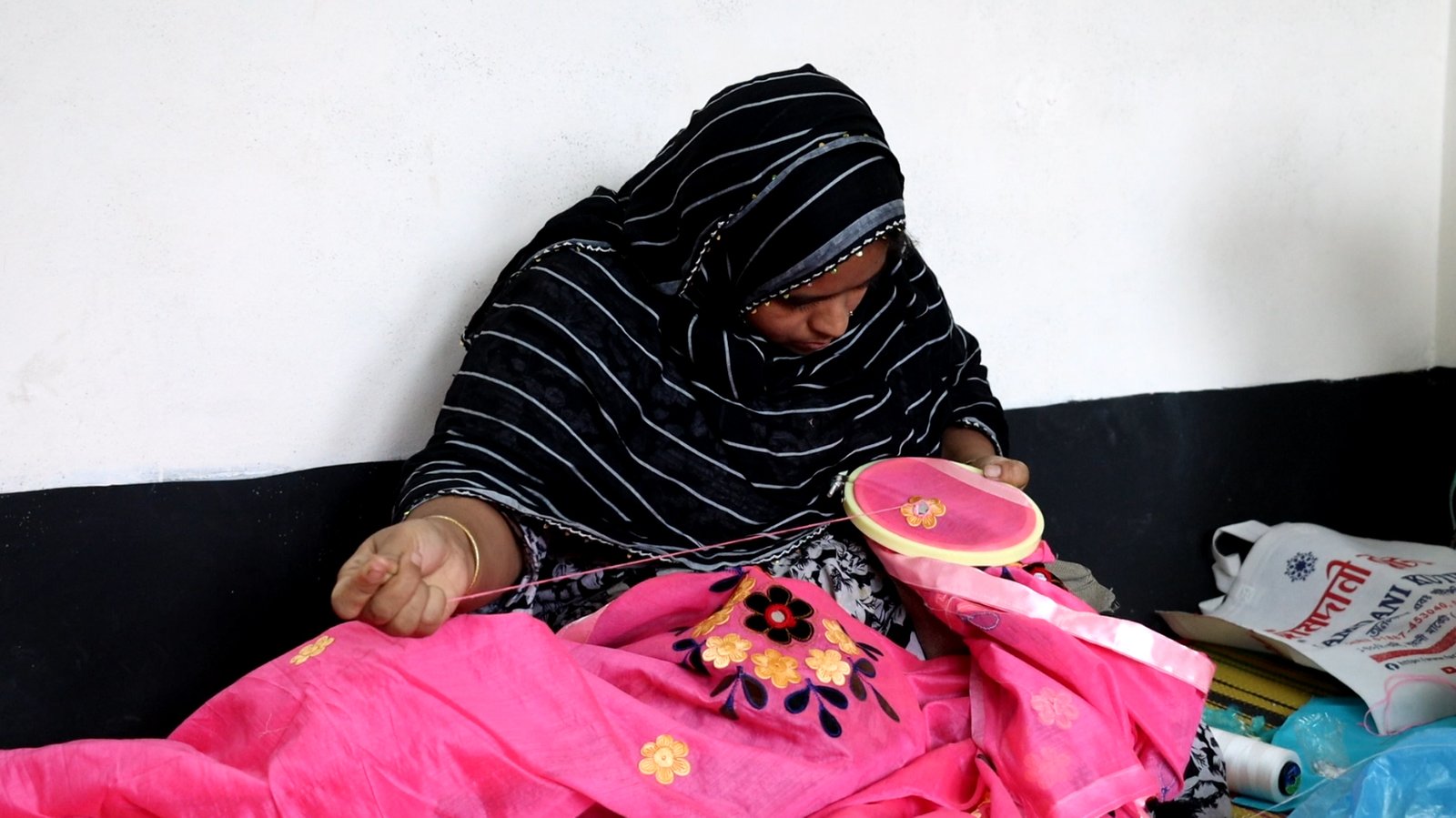
Every day, Raju’s mother faced a painful calculation: use the family’s limited income for food or for her son’s treatment. Moner Kaj recognised her skill in sewing traditional kantha and helped turn that skill into income, greater security and continued access to care.

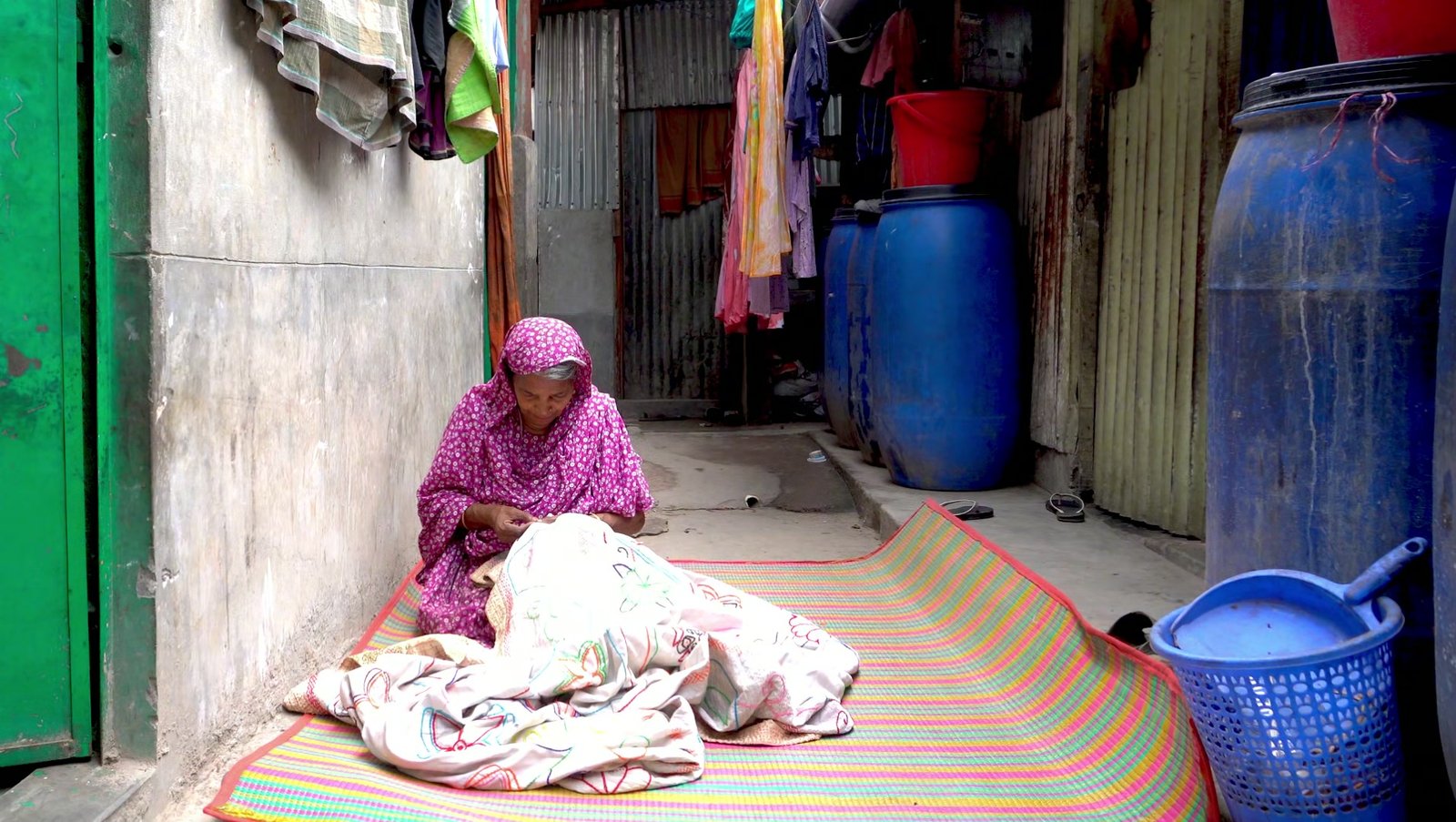
She is often introduced in relation to her son, but her own skill deserves to be seen. Raju’s mother is a kantha artisan — a woman whose hands can turn cloth and thread into something useful, beautiful and deeply connected to Bengali household tradition.

Raju lives with schizophrenia, and the cost of his treatment became a heavy burden for the family. With very limited income, his mother repeatedly faced an impossible choice: should the money be used for food, or for the care her son needed? The constant pressure caused immense stress and anxiety.

Moner Kaj recognised that supporting a caregiver’s livelihood can help an entire household. The platform gave Raju’s mother an opportunity to earn by using her existing skill in sewing traditional kantha.

This is not charity. It is paid recognition of work she already knows how to do. Her earnings help support the family while making it more possible to continue Raju’s treatment. They also give her greater financial agency in a situation that had previously been defined by scarcity and impossible choices.

Her story expands the meaning of mental health inclusion. Support should not focus only on the individual receiving treatment. Caregivers also carry financial, emotional and practical burdens, often with little recognition. When they gain dignified livelihood opportunities, treatment becomes more sustainable and the whole family gains room to breathe.

A kantha carries many stitches. In this story, each stitch also carries skill, care and the possibility of a more secure future.

Back their work

Choose skill over stigma.

The most useful thing you can do on this page is order something. It pays the maker directly and it is the reason the work continues.